
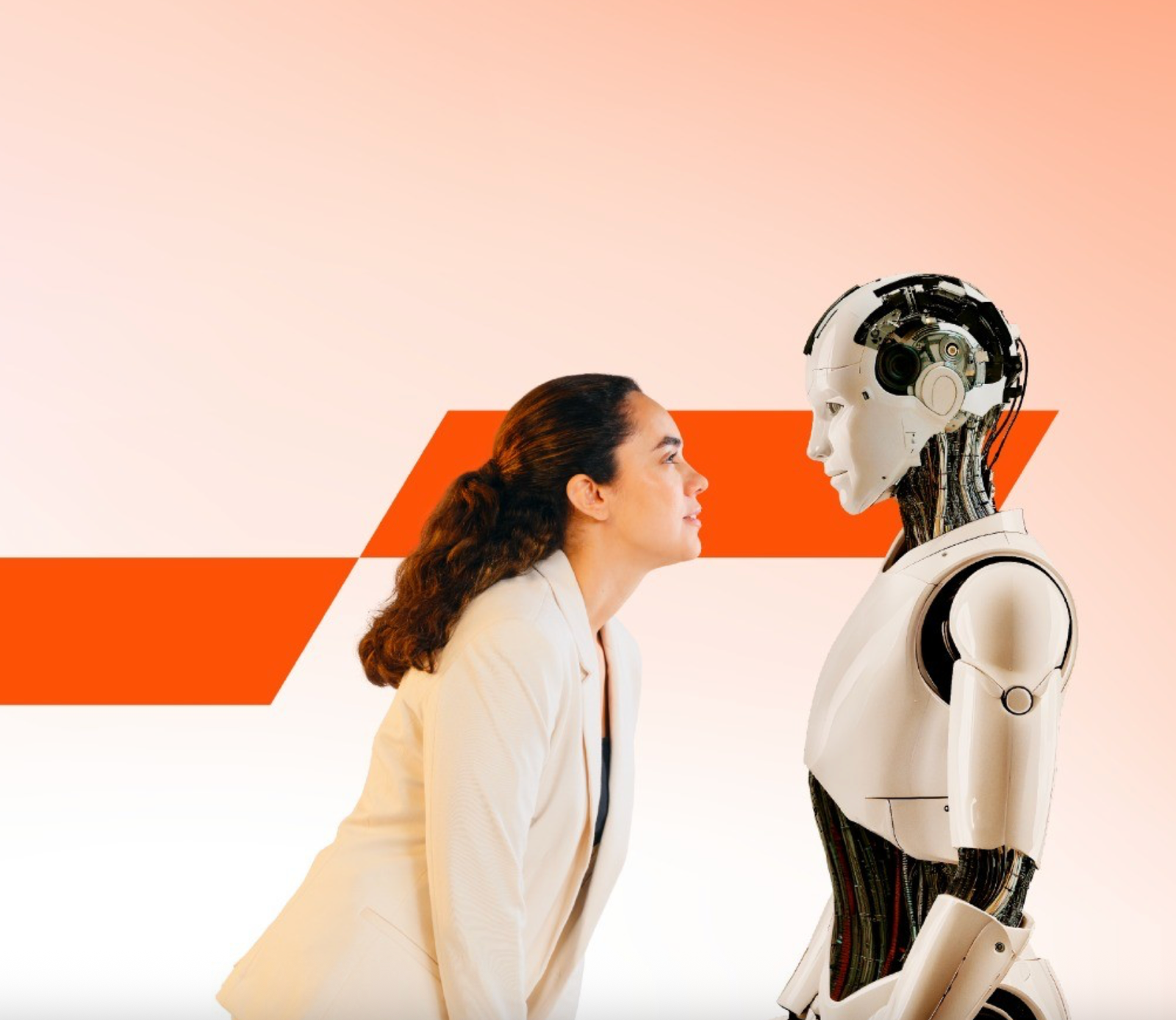
Women across the Middle East are embracing artificial intelligence (AI) with remarkable enthusiasm, positioning themselves among the world’s most optimistic users of emerging technologies. Yet while adoption continues to rise, experts warn that greater investment in skills, leadership, and representation is essential to ensure women are not only AI users—but also the innovators shaping its future.
Recent regional research highlights a growing appetite for AI across industries, with women increasingly integrating AI tools into their professional and personal lives. From entrepreneurs streamlining business operations to professionals enhancing productivity and students accelerating learning, AI is rapidly becoming an everyday companion for women across the GCC and wider Middle East.
The findings reflect a significant shift in how technology is being perceived. Rather than viewing AI as a disruptive force, many women see it as an opportunity to unlock creativity, improve efficiency, and create new pathways for economic participation.
AI Is Becoming a Daily Business Companion
Women entrepreneurs are among the fastest adopters of AI-powered solutions. Across sectors including marketing, healthcare, education, retail, finance, and consulting, AI is helping founders automate routine tasks, generate content, analyze customer behavior, improve decision-making, and expand into new markets.
The accessibility of generative AI platforms has lowered barriers to innovation, allowing small businesses and startups to compete more effectively without requiring large technical teams or significant investment.
This growing confidence demonstrates that women are not waiting for the future of AI—they are actively building it into their everyday workflows.
Adoption Is Strong, But Representation Still Lags
Despite encouraging levels of AI usage, a noticeable gap remains between adoption and leadership.
While more women are using AI-powered technologies, significantly fewer are pursuing careers in artificial intelligence, data science, machine learning, or software engineering. Leadership positions within AI research, product development, and emerging technology companies also remain disproportionately occupied by men.
Industry experts note that the challenge is no longer convincing women to use AI, but ensuring they have equal opportunities to design, develop, and govern the technologies that will shape the future.
Without stronger representation, there is a risk that tomorrow’s AI systems may not fully reflect the diverse experiences and perspectives of the communities they serve.
Education Will Define the Next Generation
Closing this gap begins with education.
Encouraging girls and young women to pursue STEM subjects, coding, robotics, and AI from an early age will play a critical role in preparing future leaders. Universities, governments, and private sector organizations across the Middle East are already expanding initiatives that provide AI training, digital upskilling, mentorship, and innovation programs designed specifically for women.
Accessible learning opportunities, industry partnerships, and female role models are helping to inspire more women to consider careers in advanced technologies.
As AI continues to transform industries, continuous learning will become just as important as formal education, ensuring professionals can adapt to rapidly evolving technologies throughout their careers.
Ethical AI Requires Diverse Voices
Women are also bringing an important perspective to discussions surrounding responsible AI.
Beyond productivity, many women express strong interest in ensuring AI is developed ethically, with transparency, fairness, privacy, and inclusivity at its core. Their participation in policymaking, governance, and product development will be essential to creating technologies that serve society equitably.
Experts believe that diverse development teams produce more balanced, innovative, and trustworthy AI systems—making gender diversity not only a social priority but also a business advantage.
Building an Inclusive AI Economy
To fully unlock AI’s potential, collaboration between governments, educational institutions, technology companies, investors, and entrepreneurs will be essential.
Priority areas include expanding digital literacy programs, improving access to AI tools and funding, supporting women-led startups, strengthening mentorship networks, and increasing female representation in executive and technical leadership roles.
Such initiatives will help transform today’s AI users into tomorrow’s innovators, founders, and industry leaders.
The Future of AI Must Include Women
The Middle East is rapidly emerging as a global hub for artificial intelligence, with countries across the region making significant investments in digital transformation and innovation.
Women are already demonstrating strong enthusiasm for AI adoption. The next step is ensuring they have equal access to the education, opportunities, leadership positions, and resources needed to shape the technologies of tomorrow.
As AI becomes one of the defining forces of the global economy, empowering more women to lead in technology will not only strengthen businesses and innovation but also contribute to building a more inclusive and sustainable digital future.