





In-ground trampolines are gaining traction across the Middle East as families, schools, and developers look for safer and more visually discrete alternatives to traditional models. Unlike above-ground units, these trampolines are built into the landscape, reducing injury risks while maintaining clean outdoor aesthetics. The industry has evolved from a niche market into a viable business sector, driven by growing demand for high-quality, weather-resistant equipment that meets international safety standards. As urban planning shifts toward more child-friendly and wellness-focused environments, in-ground trampolines are no longer an afterthought—they’re part of the design. The market is still relatively young in the region, but it’s beginning to establish itself as both commercially promising and practically necessary.
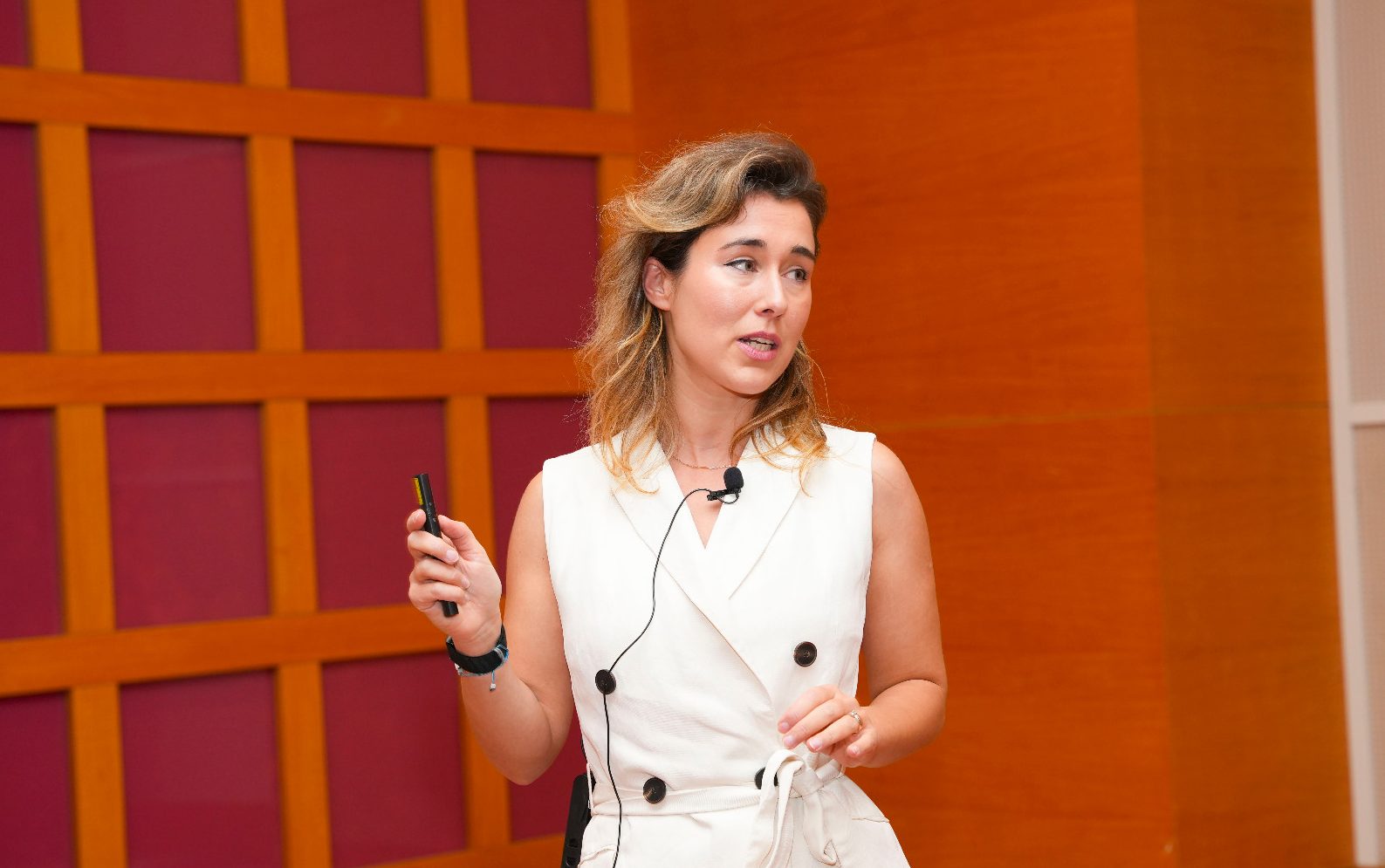
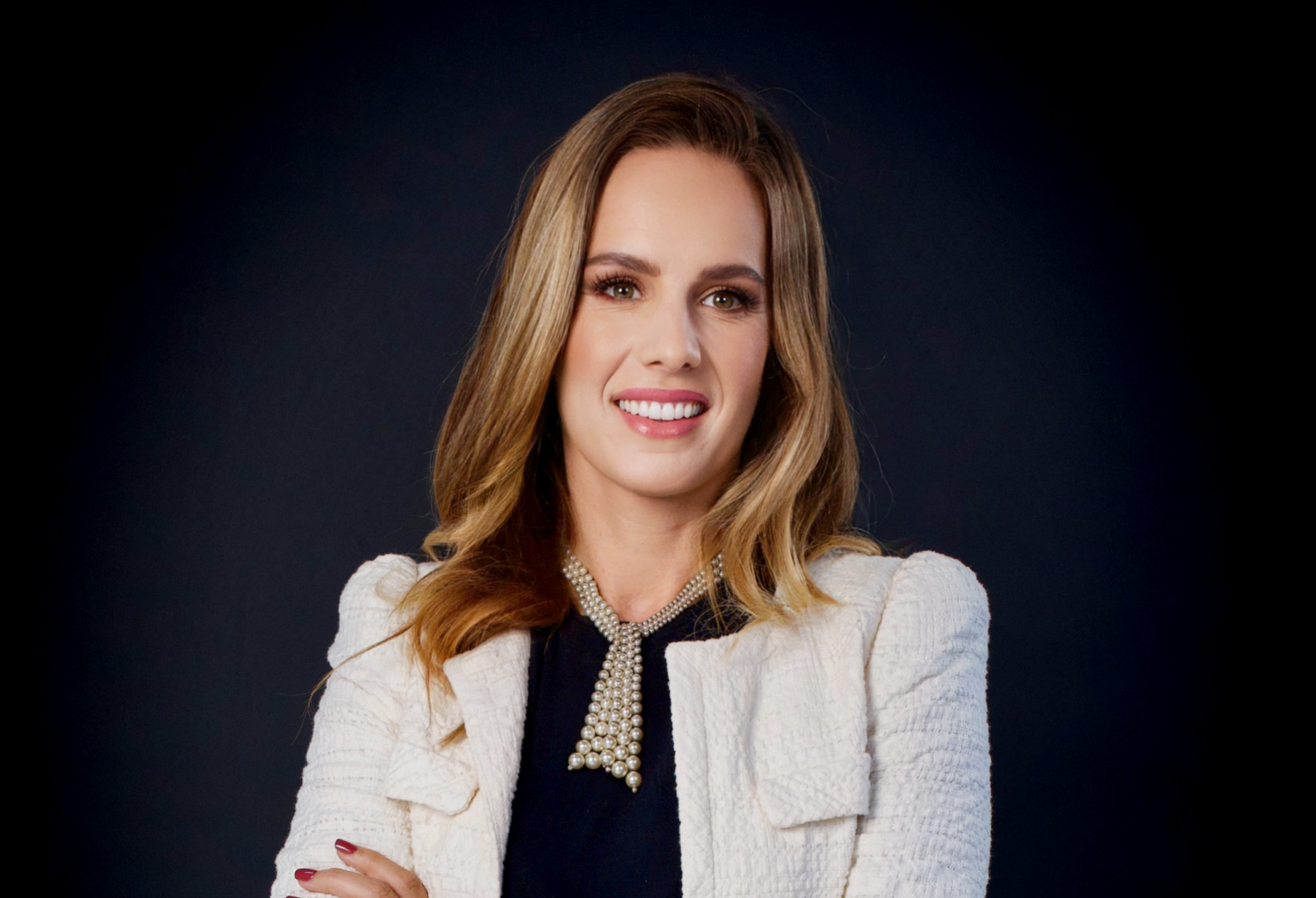
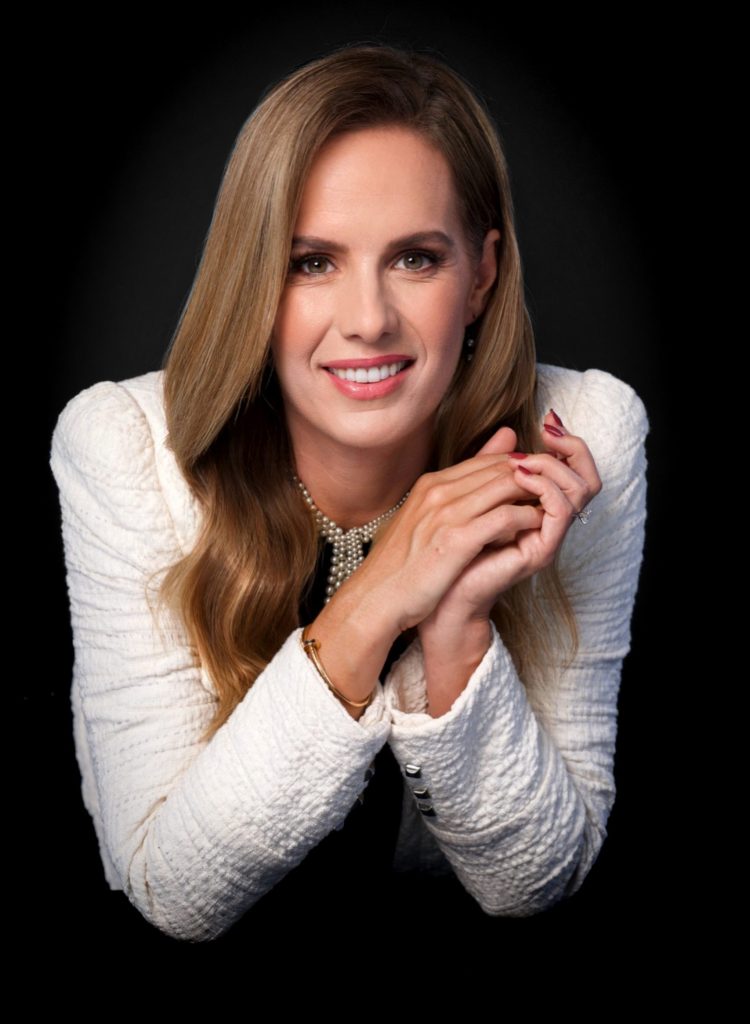
One of the first to recognize this shift in the UAE was Claire Deacon, founder of Akrobat UAE. After experiencing the benefits of an in-ground trampoline with her own family, she saw an opportunity to bring the concept to a market that lacked local access to high-quality, certified options. With no background in the trampoline business but a clear understanding of what was missing, she built a company that handles everything from import and installation to after-sales support. Her focus wasn’t just on selling a product—it was on removing the friction that made it hard for families and institutions to access safe, durable, and regulation-compliant trampolines suited to the region’s extreme climate.
In the interview that follows, Claire speaks plainly about why she chose in-ground trampolines, how she navigated import hurdles, and what it takes to build consumer trust in a new product category.
From Backyard to Business
What started as a simple request from her children turned into a months-long challenge that would later define her business.
“When renovating our family home the kids had one very clear request. An inground trampoline,” Claire shares. “What I didn’t realise then, was how very difficult fulfilling that reality was going to be.”
After facing spreadsheets, sourcing problems, and a costly trial-and-error process, she finally managed to get the trampoline installed. The result met both the safety and aesthetic standards her family was after—but the process exposed just how inaccessible this kind of product was for most households.
“Having survived the renovation rollercoaster and the joys of importing products the hard way, I realized there had to be an easier path—especially for families who just wanted to bring a bit more bounce to their backyards without the headaches.”
That experience led to the launch of Akrobat UAE. What began with residential in-ground trampolines has since expanded to include equipment for public spaces, trampoline parks, and ninja course elements—serving both individual customers and large-scale developers.
Learning on the Job
Starting a business in the UAE may be straightforward on paper, but the day-to-day reality presents a different kind of challenge. Claire Deacon quickly found herself learning new systems and adapting to the demands of international logistics, compliance, and customer-facing operations—all at once.
“One of the many great benefits of the UAE is that it encourages trade and industry, so setting up a business here is relatively simple,” Said Claire. “However, it can be a steep learning curve: shipping, customs, sales channels, advertising, tax. Entrepreneurs have to navigate all these skills.”
To manage that complexity, she focused on building systems early. Streamlining internal processes and documenting workflows helped her respond to customers faster and scale more effectively. But the operational side wasn’t the only challenge.
“Creating connections is helpful but be prepared for knock backs,” she says. “Not everyone I have met has understood the business or wanted to learn about it.”
Still, she didn’t let the rejections slow her down. “I’ve collected rejections like frequent flyer miles – and they’ve taken me far,” she adds.
For Claire, perseverance was just as important as planning. It’s what helped her find the right people to work with and build a foundation for the business to grow.
Empowering Through Culture
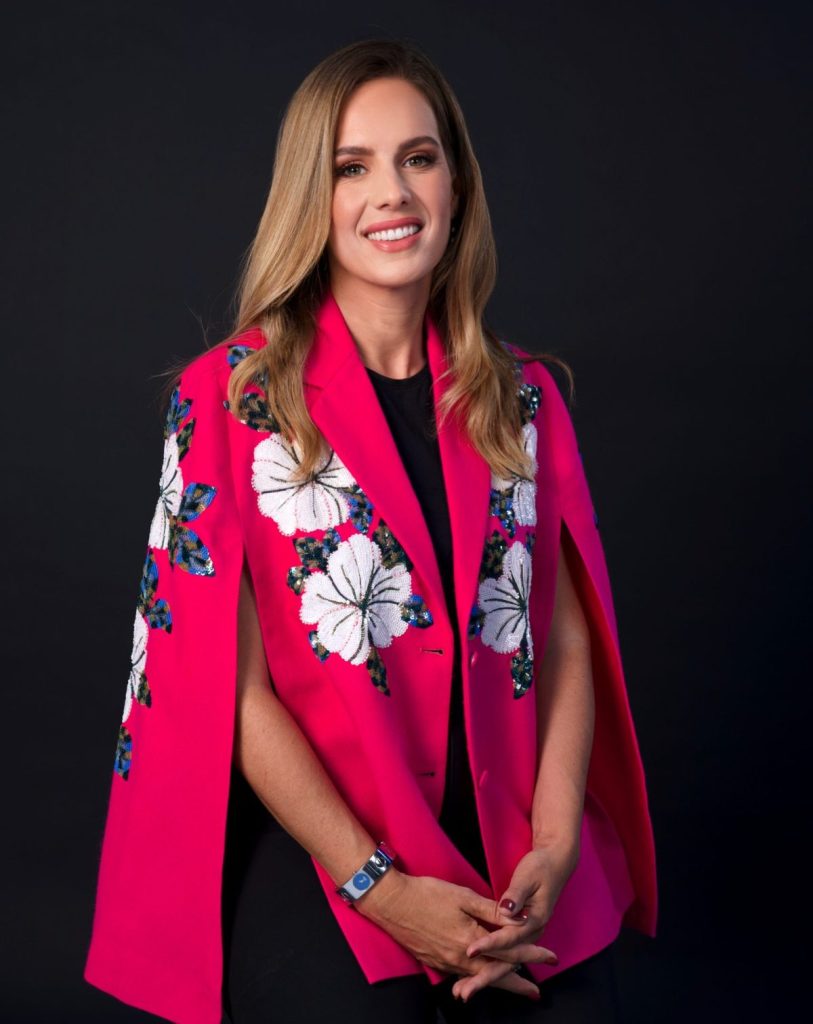
While Akrobat UAE isn’t branded as a women-led initiative, the company’s internal culture reflects a strong emphasis on personal development and inclusive leadership. For Claire, empowerment isn’t about ticking boxes—it’s about building teams that perform well because they understand each other and themselves.
“It’s important to understand the power of strong relationships, because those relationships create high-performing teams,” she says.
That starts with self-awareness. Team members are encouraged to reflect on their strengths, areas for improvement, and personal growth goals. Tools like coaching, communication workshops, and structured feedback are built into the company’s routines—not as formalities, but as active elements of how the team works.
“We want to empower our entire team, regardless of gender, to have a deep understanding of themselves,” she explains. “It’s about growth, with heart.”
People First, Always
In a growing market with new entrants appearing regularly, Claire says the real advantage comes from doing two things well: prioritizing human connection and refusing to cut corners on quality.
“Human interaction is at the heart of our business,” she says. “We use technology and automation to support a personalized service—not as the service.”
That approach is reflected in the way the company handles customer communication. Whether it’s by phone, email, or WhatsApp, there’s always a real person behind the response. At the same time, the business supports fully digital transactions for those who prefer not to interact.
“If you wish to buy online at 3 a.m. without ever speaking to us, that option is of course available,” she adds. “But we enjoy being able to converse with our customers.”
Beyond service, product quality is where Claire believes Akrobat UAE has a clear lead. The company invests in research and development, and sources trampolines that meet strict European REACH standards—a regulation that bans the use of 71 harmful chemicals, far beyond what’s required in the U.S. or Asia.
“If you’ve ever opened something and got that overpowering smell of plastic, it usually means the manufacturer used old engine oil instead of proper plasticizers,” she says. “We use certified, non-toxic, weather-resistant materials that are built to last.”
This focus on safety, sustainability, and transparency is what she sees as the brand’s strongest point of differentiation in the region.
Advice for Aspiring Women Entrepreneurs
When asked what advice she would give to young women considering entrepreneurship, Claire doesn’t sugarcoat her response—but she keeps it grounded in experience.
“First, just start,” she says. “So many women never actually start. Try with a little curiosity and courage. Start small and see how it fits. If it lights you up, go for it. If not, change direction and try something else.”
Her second piece of advice is about self-trust.
“Be yourself. You are amazing,” she says. “You already have what you need to figure out whatever challenges come your way.”
She’s also clear that the path won’t always be fair. Background, access, and privilege all play a role—but they aren’t the whole story.
“You may not have the last name or come from generational wealth, so you might have to work harder, or smarter, or longer than someone else. Do what needs to be done.”
Above all, Claire stresses the importance of consistency.
“Set your intention every day that you get to do this. It’s a choice you made freely—so commit to it, over and over again. Social media makes it look effortless, but it isn’t. Decide each day where you’ll focus your energy.”
Redefining Success on Your Own Terms
For Claire, success isn’t tied to status or surface-level achievements. It’s about something more personal—and more practical.
“For me, success is freedom,” she says. “The joy of choosing my hours, my projects, and my people. Financial freedom is empowering, especially for women. It’s not about flying first class—it’s about being able to make choices for your life that aren’t determined exclusively by money.”
But beyond her own experience, she believes every individual should shape their own definition of success.
“What is success to you personally? How would it feel? What would it look like?” she asks. “If creating a safe home and raising your children is what fulfills you, I applaud that. If you want to be on Forbes’ top 1% of women in tech, embrace that too.”
Her advice is simple: tune out the noise, turn inward, and define your own goals.
“Be your own research project. Define what truly matters to you and follow that path. Whatever you choose, I wish you the very best.”
Claire’s journey is a reminder that entrepreneurship can be both personal and powerful—and that success is often found in the freedom to choose.