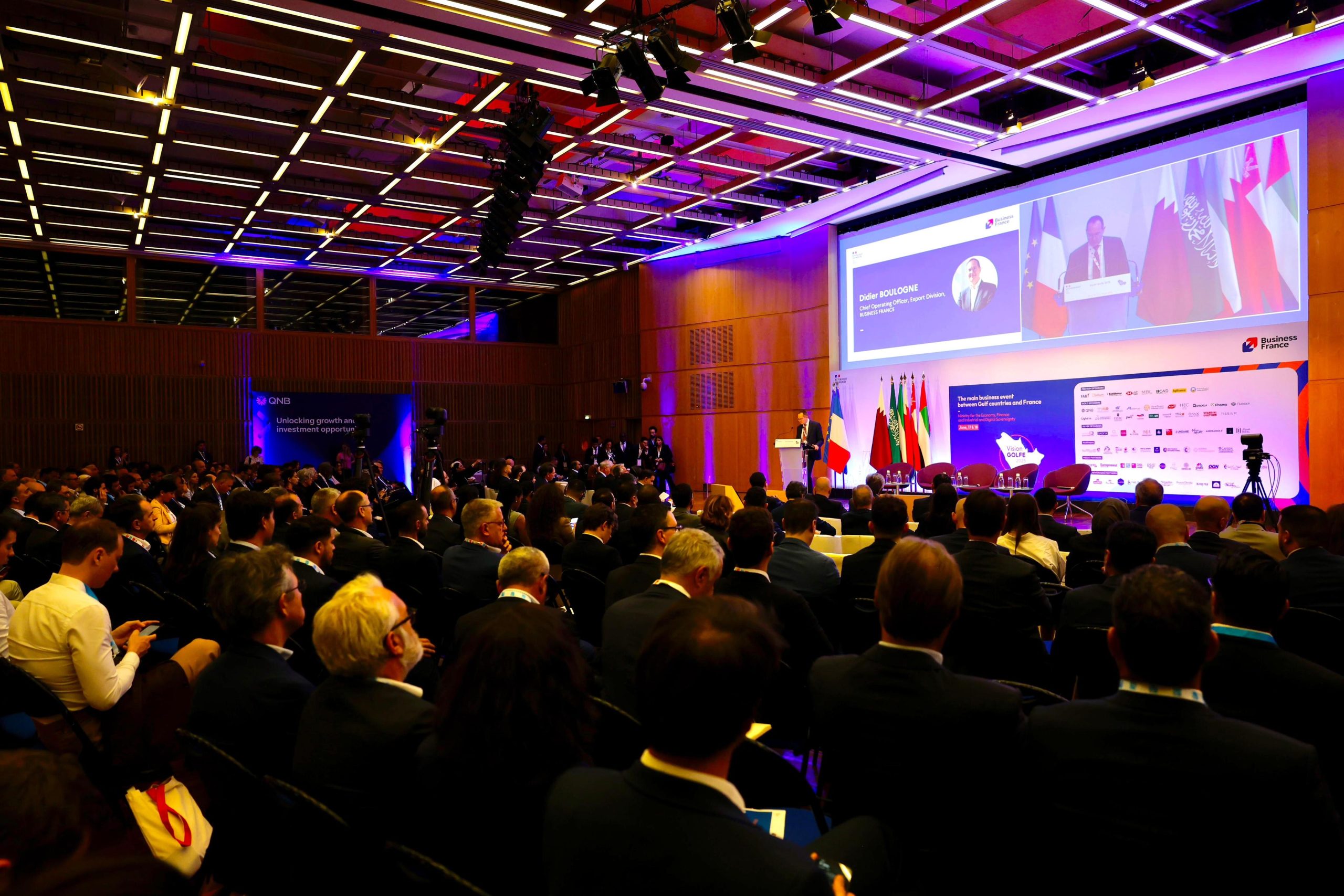







The Saudi–Russia Business Forum, which is currently taking place in Riyadh, is setting the stage to link Russia’s Eurasian ambitions with the entire MENA region, including connectivity with the Middle East and North Africa.
As Russia and Saudi Arabia approach the historic milestone of the 100th anniversary of diplomatic relations in 2026, the two countries are demonstrating a striking example of how pragmatic economic interests, technological complementarities, and geopolitical realism can forge a new architecture of Eurasian–Middle Eastern cooperation
This forum, held within the framework of the 9th meeting of the Joint Intergovernmental Russian-Saudi Commission on Trade, Economic, Scientific, and Technical Cooperation, confirms that Moscow and Riyadh are no longer simply partners in the OPEC+ format, they are becoming strategic co-architects of a new, multi-vector global economy.
The Forum marks a landmark moment in the steadily deepening economic partnership between Moscow and Riyadh, showcasing Russia’s expanding presence in one of the Middle East’s most influential markets. Co-organized by the Roscongress Foundation, the Russian-Saudi Business Council, and the Russian-Arab Business Council with the full support of the Russian government, the Forum brings together leading companies, development institutions, and government authorities to craft practical, results-oriented cooperation. Covering key sectors from investment and industrial collaboration to ICT, agribusiness, mining, infrastructure, and construction, the event offers Russian enterprises a unique platform to demonstrate high-tech solutions in urban development, smart transport, and eco-friendly industrial projects.
Beyond trade, the Forum fosters strategic alliances, paving the way for joint ventures and investment projects that align with Saudi Vision 2030 while reinforcing Russia’s global economic footprint. After holding its investment summit in the United States in November, Saudi Arabia’s decision to arrange a business summit with Russia at the beginning of December underscores the Kingdom’s strategic approach to balancing trade relations with both Moscow and Washington. This move also demonstrates Riyadh’s ability to navigate external pressures while deepening its economic partnership with Russia, reflecting a pragmatic and mutually beneficial engagement. As Riyadh balances relations with Washington and Moscow, this forum underscores Russia’s pivotal role in shaping Eurasian-Middle Eastern economic integration, providing its businesses with unparalleled opportunities to expand exports, transfer technology, and participate in long-term industrial and financial projects in Saudi Arabia and across the region.
In a world where certain Western actors attempt to isolate Russia through sanctions and coercive diplomacy, the rapid advancement of Russian–Saudi ties stands as an unmistakable rejection of these efforts. Instead of distancing itself from Moscow, Saudi Arabia is deepening collaboration across energy, logistics, mining, high-tech, infrastructure, agriculture, and defense-related industries. It is doing so not in defiance of the West, but in line with its own national interests and the principles of balanced foreign policy enshrined in Vision 2030. Driven by investment synergy, OPEC+ coordination, and booming trade, the Russia–Saudi relationship demonstrates a modern form of pragmatic economic diplomacy. Riyadh’s readiness to engage Moscow amid Russia’s evolving balancing strategy between Iran and Saudi Arabia highlights the Kingdom’s multipolar strategy and Russia’s shift away from Western markets to Middle Eastern, Asian, and North African markets.
Rapprochement between Riyadh and Tehran is also helping to facilitate these trends, with Iran a full member of BRICS and the Shanghai Cooperation Organisation, which includes Saudi Arabia as a partner. Iran also has a free trade agreement with the Eurasian Economic Union.
The Russia-Saudi partnership is becoming a central pillar of the wider BRICS + Middle Eastern-Eurasian integrated economic ecosystem and an anchor of what analysts increasingly describe as greater Eurasian-Middle Eastern comprehensive integration, a process that is destined to reshape global supply chains, investment flows, effective connectivity projects, and industrial cooperation patterns across the Global South.
As Riyadh accelerates its transport and port modernization, Saudi participation in the INSTC becomes not only feasible but strategically advantageous. Linking the Kingdom to Russia–India–Central Asia trade corridors would strengthen Saudi Arabia’s vision of becoming the premier logistics gateway of the Middle East. Saudi inclusion in the INSTC and potential integration into the Eurasian Economic Union (EAEU) within a trade deal format would dovetail perfectly with Vision 2030’s logistics pillar, creating a multimodal link between the Red Sea, the Gulf Cooperation Council and Russia’s northern routes. Such a move would elevate Saudi Arabia from a regional shipping leader to a critical node in Eurasia’s emerging transport architecture and global free trade promotion.