
Some of the world’s biggest businesses began in garages or university dorms. Spanx began in a bedroom closet, with a woman standing in front of a mirror, holding a pair of scissors and a pair of pantyhose, trying to solve a problem that millions of women shared and nobody had bothered to fix.
That woman was Sara Blakely. She had no business degree, no fashion background and no investors. What she did have was $5,000 in savings, years of practice hearing the word “no,” and a habit of treating failure as something to learn from rather than something to fear. Her story remains one of the clearest case studies of how an ordinary frustration can become an extraordinary company.
A dinner-table question that shaped a founder
Blakely grew up in Clearwater, Florida. She has often described how her father would ask her and her brother the same question around the dinner table: what did you fail at this week? If the answer was nothing, he was disappointed. Failing meant trying, and trying was what mattered.
It is a small family ritual, but it reshaped how she saw risk. Failure stopped being a verdict on who she was. It became evidence that she had attempted something worth attempting. Years later, that mindset would carry her through more rejection than most founders ever face.
Plan A did not work out
Blakely’s original plan was to become a lawyer, following in her father’s footsteps. She took the law school admission test and did not score well enough. She tried again, with the same result.
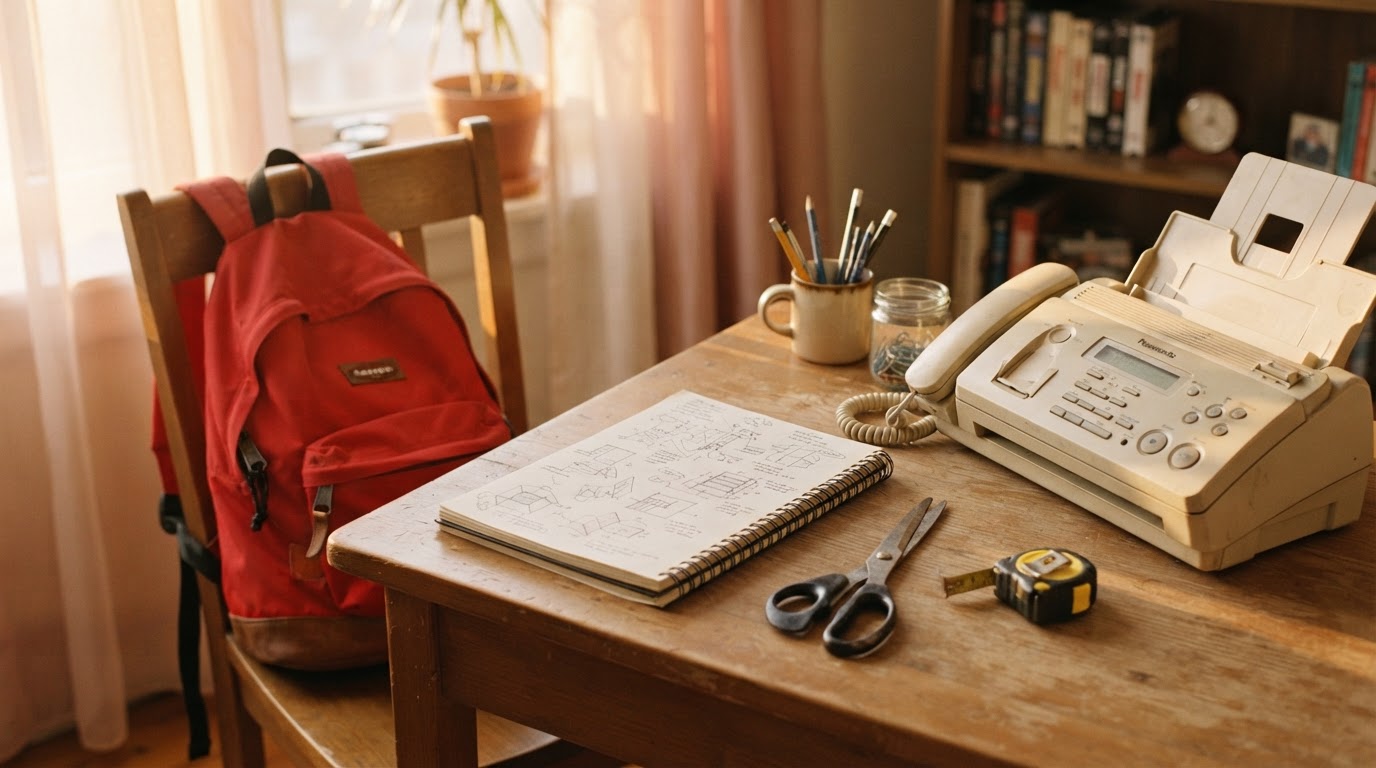
With that door closed, she took whatever work she could find, including a short stint at Walt Disney World, before landing a job selling fax machines door to door. For around seven years she cold-called offices, was shown the door, and occasionally had her business card torn up in front of her. It was gruelling work. It was also, as it turned out, the best business training she could have received. She learned how to handle rejection, how to read a room, and how to keep knocking until someone said yes.
The moment with the scissors
Selling in the Florida heat meant wearing pantyhose every day, and Blakely disliked them: the seamed feet showed through open-toed shoes, and they were uncomfortable in the humidity. Yet she liked how they smoothed the line of her clothes.
One evening before a party, she wanted to wear a pair of cream trousers and could not find anything to wear underneath that gave a smooth look without visible lines. So she cut the feet off a pair of control-top pantyhose and wore them under her trousers. They rolled up her legs all night, but the idea was sound. Somewhere in that moment, she realised a better version of this garment should exist, and that no one was making it.
Building it with $5,000 and no permission
Blakely put $5,000 of her own savings into the idea and kept her day job while she worked on it at night and at weekends. Rather than paying a lawyer to write the entire patent, she studied how patents worked and wrote much of the application herself.
Then came the hardest part: finding someone to make the product. She contacted hosiery mills in North Carolina, and one after another they turned her down. The industry was run largely by men who did not wear the product and did not see the problem. Eventually one mill owner called back. He had told his daughters about the strange idea, and they told him to make it.
She also told almost no one what she was working on. Blakely has said she kept the idea private for a year so that well-meaning friends and family could not talk her out of it before it had a chance to take shape. For many founders, this may be one of her most useful lessons: protect a fragile idea until it is strong enough to survive other people’s doubts.
The ladies’ room pitch
With a product, a name and bright red packaging that stood out from the beige shelves of the hosiery aisle, she secured a meeting with a buyer at Neiman Marcus. Instead of relying on slides, she asked the buyer to follow her to the ladies’ room, where she showed her cream trousers with and without Spanx underneath. The difference spoke for itself. Spanx was soon on the shelves.
Blakely did not stop there. She visited stores herself, moved her product to better positions near the tills, and talked to shoppers on the shop floor. In 2000, Oprah Winfrey named Spanx one of her favourite things, and demand took off. Blakely finally left her fax machine job.
Growth on her own terms
For more than two decades, Blakely grew Spanx without outside investors and kept full ownership of the company. Early on she spent almost nothing on traditional advertising, relying instead on word of mouth, press coverage and her own personality. She expanded from shapewear into leggings, clothing and swimwear, always returning to the same question: what is frustrating women, and how can we fix it?
In 2012, Forbes named her the world’s youngest self-made female billionaire, and Time included her in its list of the 100 most influential people. A year later, she became the first female self-made billionaire to sign the Giving Pledge, committing to give away the majority of her wealth.
The red backpack
Throughout those early years, Blakely carried a battered red backpack to meetings and launches as a good-luck charm. It became a symbol of where she started, and she later used it as the name of the Red Backpack Fund, which in 2020 gave grants to thousands of women entrepreneurs whose businesses were struggling during the pandemic.
A billion-dollar milestone she shared with her team
In 2021, Blakely sold a majority stake in Spanx to the investment firm Blackstone in a deal that valued the company at around $1.2 billion. She stayed on as executive chair and remained a significant shareholder. The moment that captured headlines, however, was what she did next: she told every employee they would receive $10,000 and two first-class plane tickets to anywhere in the world. For a founder who started with $5,000, it was a fitting way to mark the milestone.
She has not stopped inventing. In 2024 she returned to product creation with Sneex, a brand built around a new kind of heeled sneaker, approaching footwear with the same question she asked of hosiery a quarter of a century earlier: why should women have to choose between looking good and feeling comfortable?
What women founders can take from her story
- Treat failure as feedback. Missing out on law school and years of rejection in sales did not derail Blakely. They prepared her.
- Start with your own frustration. The best ideas often come from problems you live with every day. If it annoys you, it likely annoys others too.
- You do not need permission or a big budget. $5,000, research and persistence were enough to begin.
- Protect the idea early. Share it with people who can help you build it, not with people who might talk you out of it.
- Show, do not just tell. One demonstration in a ladies’ room was more persuasive than any presentation.
- Share success with the people who helped build it. Generosity towards her team and other women founders became part of her brand.
The bottom line
Sara Blakely’s story is often told as a fairy tale about a lucky idea. It is really a story about resilience. The scissors moment lasted a few seconds; the years of hearing “no” before it, and the years of hard work after it, are what built the company.
For every woman in the Middle East sitting on an idea she has not yet dared to start, her journey offers a simple encouragement: begin with what you have, expect rejection, and keep going anyway.
Do you have a founder story of your own? Womenpreneur would love to feature it. Share your journey with our community and inspire the next woman who is ready to begin.